Moringa oleifera — known as malunggay in the Philippines and the “miracle tree” elsewhere — has become one of the most talked-about superfoods of the last decade. Some of that reputation is well-earned. Some of it, frankly, isn’t. This guide walks through what moringa actually has research behind, what’s still preliminary, and what you should know before adding it to your routine.
If you’ve seen moringa described online as a cure for 300 diseases, we traced that claim back to its source and fact-checked it here — short version, it’s a myth worth understanding before you read further.
Quick Summary: Moringa is a genuinely nutrient-dense plant, and its best-supported traditional use is as a natural aid for breastfeeding mothers — several clinical trials, including ones conducted in the Philippines, have found it may help boost milk supply. Research also points to modest benefits for blood sugar management and antioxidant activity. Many of moringa’s other commonly cited benefits, like cardioprotection or cancer-fighting properties, currently come only from animal or lab studies, not human trials.
What Is Moringa
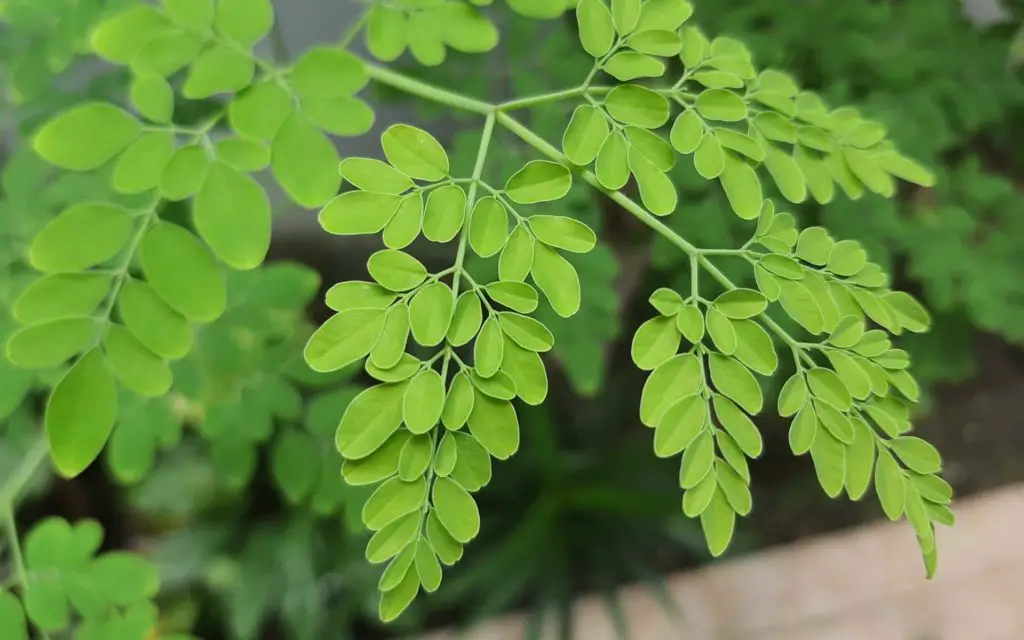
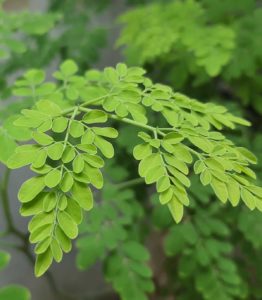
Moringa oleifera is a fast-growing tree native to parts of India, and now cultivated across tropical and subtropical regions worldwide. Nearly every part of the plant is used — leaves, pods, seeds, flowers, even the root — though the leaves are the most common and best-studied form. A single teaspoon of moringa leaf powder contains about 2 grams of protein, small amounts of iron, and only around 4 calories, which is part of why it’s earned its “superfood” reputation. Moringa seeds are edible too, and can be eaten raw, roasted, or powdered, though they’re used less commonly than the leaves.
Moringa Benefits and Uses
Supports Breastmilk Production
This is moringa’s most culturally rooted and best-evidenced traditional use. In the Philippines, it’s long been common practice for breastfeeding mothers to eat malunggay leaves or take moringa capsules to help increase milk supply. A double-blind, randomized trial at a Philippine hospital gave mothers of preterm infants 250 mg of moringa capsules every 12 hours and found significantly higher milk volume by day 4 and 5 compared to placebo. When researchers pooled five similar trials — 366 mothers total — the average increase in milk volume by day 7 came out to about 124 mL. It’s worth being honest about the caveat, too: even the researchers behind these trials note they’re small and not always tightly controlled, so international breastfeeding guidelines stop short of officially recommending moringa as a fix for low supply. Frequent nursing or pumping remains what moves the needle most — moringa appears to help on top of that, not instead of it.
May Support Blood Sugar Management
The evidence here is genuinely mixed. A 12-week trial in prediabetic adults found that 58% of people taking moringa leaf powder saw their HbA1c improve, compared to 38% on placebo. A separate trial testing a single 20g dose found it blunted the blood sugar spike after a meal. But a different study in people already diagnosed with type 2 diabetes found no real change in fasting blood sugar or HbA1c after four weeks. Pooling the available trials together, the honest takeaway is that moringa can modestly soften the after-meal blood sugar spike, but doesn’t reliably move long-term markers like HbA1c. It’s a supplement that may help around the edges — not a substitute for diabetes medication.
Rich in Antioxidants
A three-month study in postmenopausal women given daily moringa leaf powder found real, measurable increases in the body’s own antioxidant enzymes, along with a drop in a marker linked to cell damage. That’s one of the better-supported claims on this list — actual biomarkers moving in actual people, not just a lab dish.
 | Buy Moringa Oleifera |
Nutrient-Dense Whole Food
This part isn’t controversial. Moringa leaves are genuinely rich in protein, essential amino acids, vitamins A, C, and E, and minerals like iron and calcium. This nutritional density is likely the real reason moringa has been used for generations to help people recovering from anemia or general undernutrition — no exaggeration required.
May Support Weight Management
In a study on 48 male Sprague Dawley rats, researchers found that moringa seed oil extract reduced levels of leptin and resistin (hormones tied to appetite and fat storage) and boosted antioxidant activity, pointing to a promising effect on weight management. This is animal research, though — it hasn’t yet been tested in a human weight-loss trial, so treat it as an interesting early signal rather than a proven effect.
Traditionally Used for Arthritis
In a study by Mahdi and colleagues, researchers tested moringa’s effect on an induced arthritis model and found it had a meaningful effect in slowing the condition’s progression and easing symptoms. Like the weight-management research above, this is animal-model evidence — promising, but not yet confirmed in people with arthritis.
Preliminary Support for Heart, Immune, and Other Functions
Lab and animal studies have also explored moringa’s potential for cardioprotection (protecting heart tissue after induced damage), immune modulation in conditions like asthma and colitis, and even anticancer activity in cell-line studies. These are genuinely active areas of research — but all of them remain animal or lab findings for now, with no confirmed human clinical trials. If you see a source stating any of these as settled human benefits, that’s a good sign to double check the underlying study.
Moringa Side Effects
Moringa-derived products are generally considered safe for most people in normal food or supplement amounts, but limited toxicity research points to a few things worth knowing:
- Gastrointestinal upset (nausea, stomach discomfort) in some people
- Allergic reactions, though uncommon
- Mild slowing of heart rate reported in some studies
- Can lower blood sugar — a real consideration if you’re also on diabetes medication, since the combination could push levels too low
- Pregnant women should talk to a doctor before use, particularly regarding moringa root or bark specifically (different safety profile from the leaves)
As with any supplement, moringa isn’t risk-free just because it’s a plant — talk to your doctor before starting it, especially if you’re pregnant, breastfeeding, or managing a chronic condition.
Moringa Drug Interactions
Moringa is also contraindicated when using CYP450/CYP3A4 medications and sitagliptin. [16]
- Using moringa while taking CYP450/CYP3A4 drugs can result in adverse drug interactions and enhance the drug’s unwanted effects. These drugs include certain antidepressants, heart medications, and anticancer drugs.
- Taking moringa with sitagliptin can also result in low blood sugar levels. Furthermore, moringa could also dampen the therapeutic effects of sitagliptin.
- Although moringa is a known galactagogue, pregnant or lactating women are advised to consult with a doctor first before taking moringa-derived products. There is limited evidence demonstrating the safety of moringa during pregnancy and lactation. Therefore, it is best to be cautious when taking moringa-derived products during these periods. [16]
How to Take Moringa
Moringa is most commonly available as a dried leaf powder, capsules, or tea. Leaf powder can be stirred into smoothies, soups, or water — it has a mild, slightly earthy flavor that’s easy to mask. Capsules are the more convenient option if you want a consistent dose without the taste. There’s no single universally agreed-upon dosage, since research has used varying amounts (commonly in the range of a few grams per day for leaf powder), so following the manufacturer’s label and checking with a healthcare provider is the safest approach, particularly for long-term use.
Conclusion
Moringa earns its “superfood” reputation honestly, just not for every reason you’ll see online. The strongest, most differentiated benefit — especially relevant if you’re Filipino or have Filipino family — is its traditional and clinically-supported role in supporting breastmilk production. Beyond that, real but modest evidence backs its use for blood sugar support and antioxidant activity, and its nutritional density alone makes it a genuinely worthwhile addition to a diet. Everything else — heart protection, arthritis relief, cancer-fighting potential — is promising early research, not a settled fact. If you’ve seen the claim that moringa cures 300 diseases, here’s exactly where that number came from and why it’s misleading.
| | Buy Moringa Oleifera |
How To Prepare Moringa Leaves for Drinking
There are many ways you can use moringa for drinking. Two of which are popular because they are efficient and easy to do. [19]
The first way is by blending the moringa leaves into a fine powder:
- First, gather a generous amount of moringa leaves and wash them for any visible impurities.
- Next, leave them out to dry. Once completely dry, you can blend them until the leaves are turned into a fine powder.
- You can use this powder to make tea or add it to your smoothies. You can also add this powder to your food to increase its nutrient content.
The second way is through steeping moringa leaves:
- Again, you’ll start by gathering a generous amount of moringa leaves and washing them for any visible dirt.
- Next, dry the leaves and put them in a teapot or teacup.
- Pour boiling water over the leaves and let it steep for about 5 minutes. After steeping, remove the leaves, and you can now drink the tea as is or add honey or lemon to improve the taste.
FAQS on Moringa
Its most culturally rooted and clinically supported use is helping support breastmilk production in nursing mothers, a practice especially well documented in the Philippines. It’s also valued for its nutrient density and modest blood sugar and antioxidant benefits.
For most healthy adults, moringa leaf powder or capsules appear safe in normal supplement doses. If you’re pregnant, breastfeeding, managing diabetes, or on medication, talk to your doctor first, since moringa can lower blood sugar and interacts with some conditions.
The evidence here is genuinely encouraging — several small randomized trials, including studies conducted in the Philippines, found real increases in milk volume among mothers taking moringa. That said, the trials are small, so it’s considered a helpful traditional aid rather than a guaranteed fix, and frequent nursing or pumping remains the primary driver of supply.
No. Moringa may offer modest support for blood sugar management, but it isn’t a diabetes treatment. Claims about curing cancer come only from lab and animal studies — there’s no human clinical evidence supporting this, and moringa should never replace medical treatment for a serious condition.
That specific claim traces back to an academic review describing traditional folk use across cultures, not clinical proof. We break down exactly where it came from and what’s actually true here.
Moringa leaf is generally considered safe for dogs in small amounts, according to veterinary guidance, though there’s no formal clinical research in dogs specifically — most of what’s known comes from veterinarian-reviewed consumer guides rather than controlled studies. As with humans, only the leaves (not the root or bark) are considered appropriate, and it can lower blood sugar, which is a real concern for diabetic dogs or those on blood sugar medication. Always check with your vet before adding it to a dog’s diet, and start with a small amount to watch for digestive upset.
Yes. Moringa seeds can be eaten raw, roasted, or ground into a powder, and are a source of protein, vitamins, and minerals. They’re used less often than the leaves, partly because the taste is more bitter, but they’re a legitimate and traditional way to consume the plant.
| | Buy Moringa Oleifera |
References
- Estrella MCP, et al. Effect of a Nutritional Supplement on Prolactin, IGF-1 and Milk Volume Among Mothers of Preterm Infants. Philippine Journal of Pediatrics, 2000. Summarized in NCBI LactMed: https://www.ncbi.nlm.nih.gov/books/NBK501899/
- King JS, Raguindin PFN, Dans LF. Moringa oleifera as a Galactagogue: Systematic Review and Meta-Analysis. Philippine Journal of Pediatrics, 2013. https://pubmed.ncbi.nlm.nih.gov/24892837/
- Ammar et al. Moringa oleifera Supplementation as a Natural Galactagogue: A Systematic Review, 2025. https://www.ncbi.nlm.nih.gov/pmc/articles/PMC12294722/
- Academy of Breastfeeding Medicine Clinical Protocol #9: Use of Galactogogues. https://pubmed.ncbi.nlm.nih.gov/29902083/
- Prediabetes RCT — moringa leaf powder and HbA1c improvement. https://www.ncbi.nlm.nih.gov/pmc/articles/PMC8746299/
- Type 2 diabetes RCT — moringa leaf capsules, fasting glucose and HbA1c. https://www.ncbi.nlm.nih.gov/pmc/articles/PMC5727834/
- Leone A, et al. Postprandial blood sugar response to moringa leaf powder. Nutrients, 2018. https://www.ncbi.nlm.nih.gov/pmc/articles/PMC6213450/
- Meta-analysis of 9 RCTs on moringa and cardiometabolic outcomes, with GRADE assessment. https://www.ncbi.nlm.nih.gov/pmc/articles/PMC12655524/
- Kushwaha S, Chawla P, Kochhar A. Effect of Drumstick Leaves Powder Supplementation on Antioxidant Status in Postmenopausal Women. J Food Sci Technol, 2014.
- Moringa nutritional composition review. https://www.ncbi.nlm.nih.gov/pmc/articles/PMC11479159/
- Kilany OE, Abdelrazek HMA, et al. Anti-obesity Potential of Moringa oleifera Seed Extract and Lycopene on High Fat Diet Induced Obesity in Male Sprague Dawley Rats. https://www.ncbi.nlm.nih.gov/pmc/articles/PMC7499387/
- Mahdi HJ, et al. Anti-arthritic Activity of Moringa oleifera in an Induced Arthritis Model. https://pubmed.ncbi.nlm.nih.gov/29629295/
- Nandave M, et al. Cardioprotective Effect of Moringa oleifera Against Isoproterenol-Induced Myocardial Injury in Rats. J Med Food, 2009.
- Moringa oleifera and Immune Disorders — Review. https://www.ncbi.nlm.nih.gov/pmc/articles/PMC7773658/
- Moringa and HIV/ART supplementation trials. https://www.ncbi.nlm.nih.gov/pmc/articles/PMC8722362/ and https://pmc.ncbi.nlm.nih.gov/articles/PMC5568305/
- Moringa anticancer activity — in-vitro and animal research review, 2024.
Sources are primarily peer-reviewed studies and reviews indexed on PubMed and PMC (National Center for Biotechnology Information). For the full evidence-tier breakdown and additional context on unsubstantiated claims, see our companion article: Does Moringa Really Cure 300 Diseases?