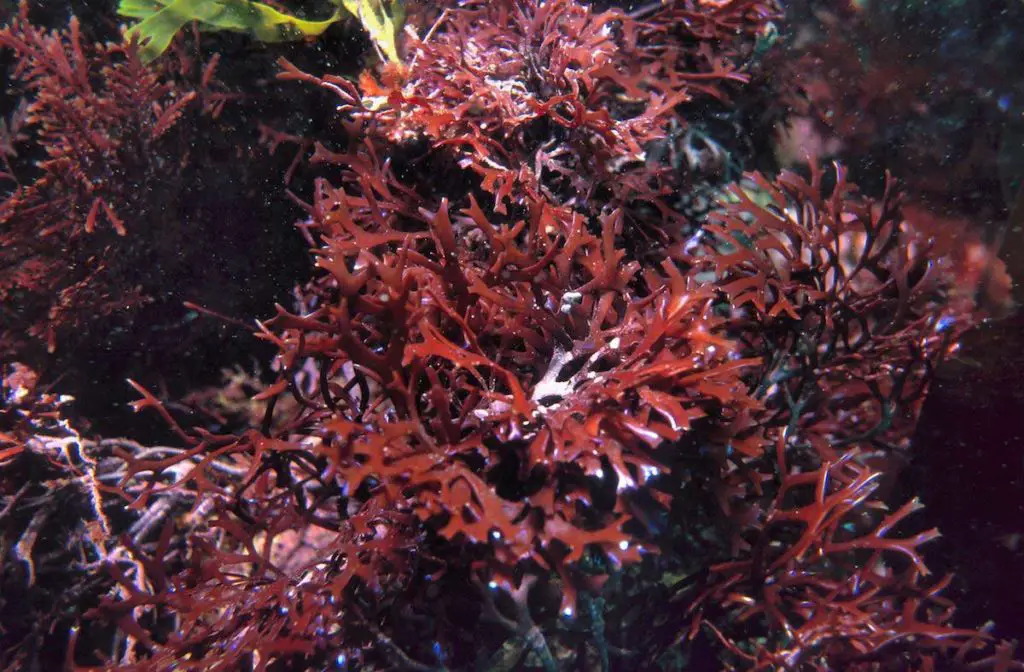
3 Polysaccharides

The 3 Polysaccharides Defined: Function, Benefits, and Food Examples

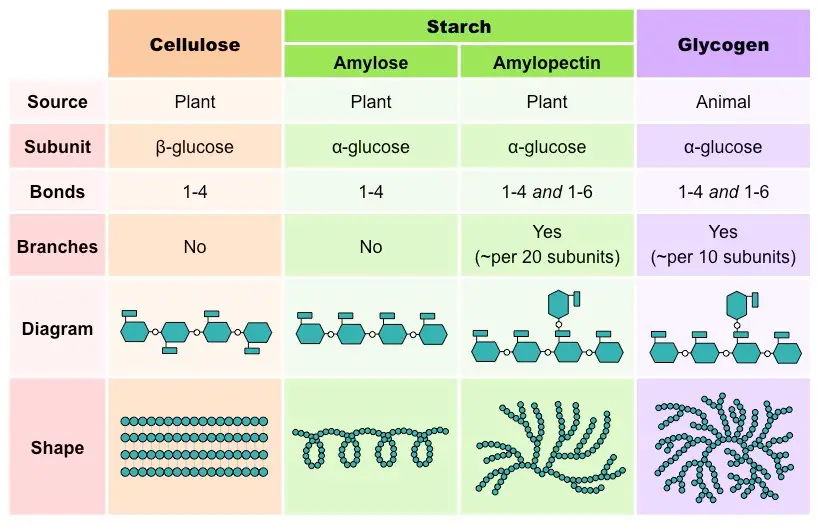
What is a Polysaccharide? The term “polysaccharides” broadly refers to complex, long-chain carbohydrates that provide nutritive elements in the human diet, and may also possess anti-inflammatory and/or immunomodulatory properties, among other health benefits. In a general sense, any sugar molecule that has a glycogen bond can be referred to as a polysaccharide. These substances can […]

The 3 Polysaccharides Defined: Function, Benefits, and Food Examples Read More »
Prunella Vulgaris Flower

Prunella Vulgaris (Self Heal, Xia Ku Cao): 8 Benefits of The All Heal Plant

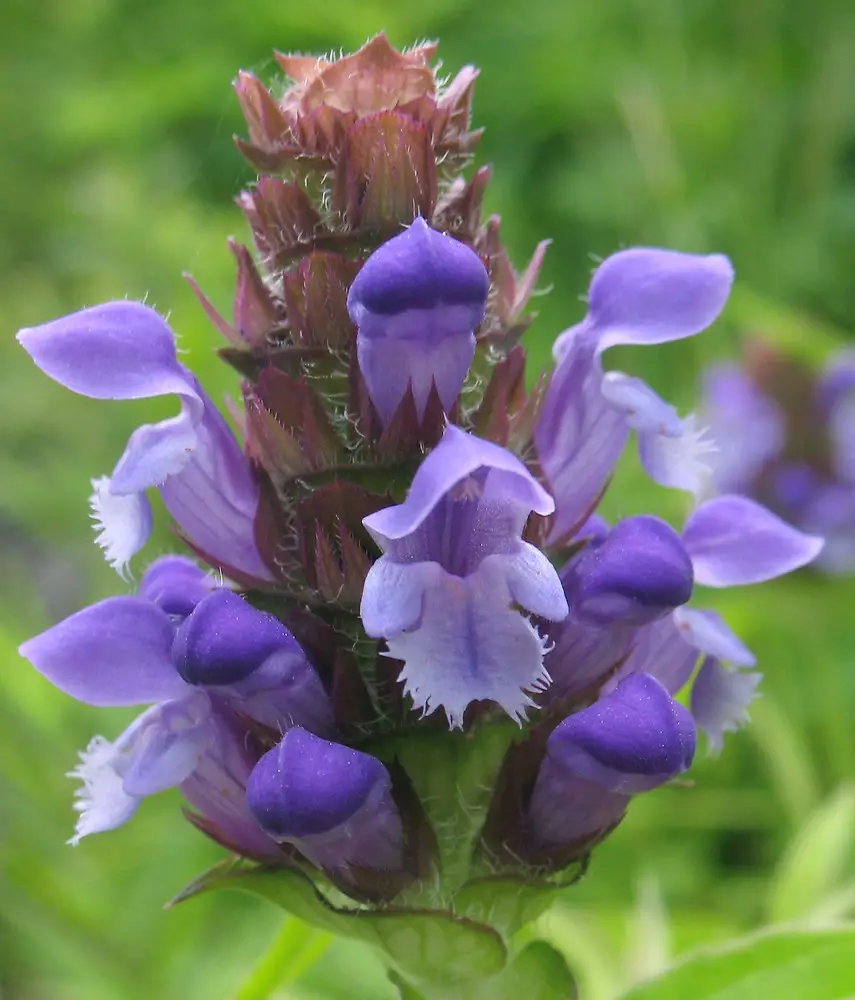
Self-heal — also known as prunella vulgaris, or by its Chinese name, Xia Ku Cao — has been a fixture in folk medicine for centuries, and the name itself tells you what people once believed about it. This low-growing, purple-flowered plant grows wild across North America, Europe, and Asia, and traditional herbalists have brewed it

Prunella Vulgaris (Self Heal, Xia Ku Cao): 8 Benefits of The All Heal Plant Read More »

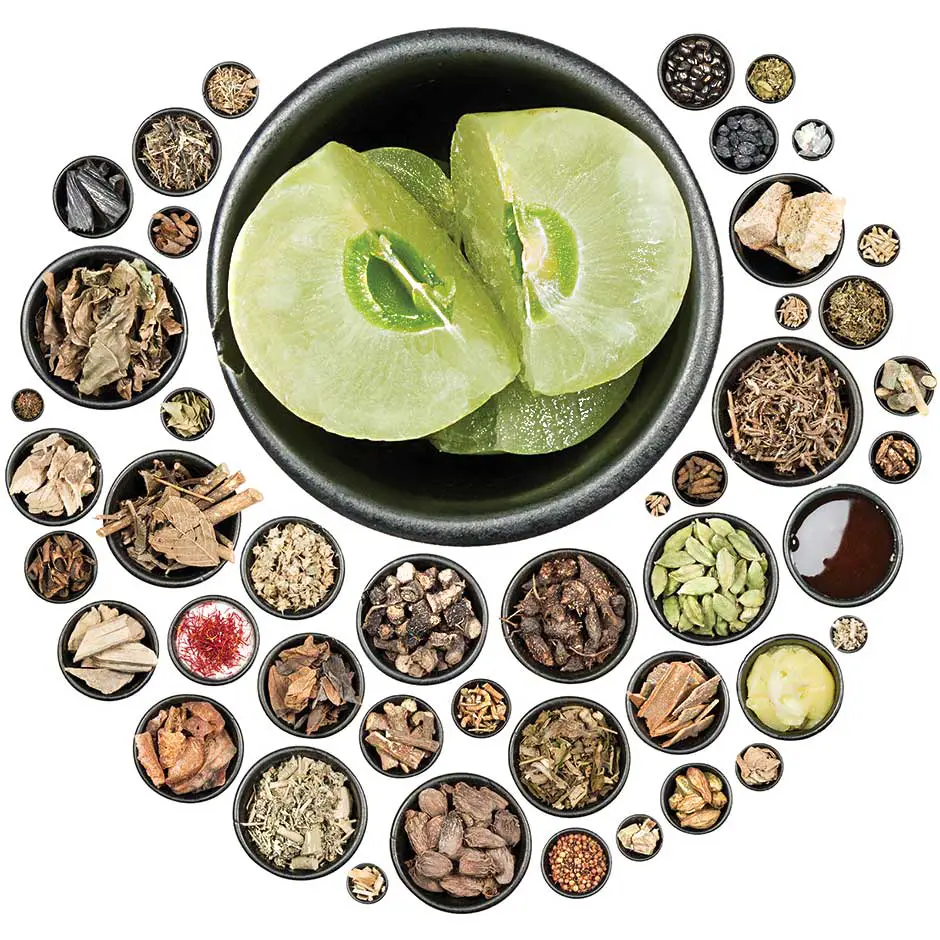
Chyawanprash Ingredients

Chyawanprash: Benefits, Uses, and Side Effects of This Ancient Ayurvedic Tonic

Chyawanprash is one of the oldest formulas in Ayurvedic medicine — a dark, jam-like tonic built around Indian gooseberry (amla) that Indian households have spooned out by the teaspoon for something like four thousand years. Chyawanprash benefits have long been described in sweeping terms, and if you’ve spent any time on Indian wellness forums, you’ve

Chyawanprash: Benefits, Uses, and Side Effects of This Ancient Ayurvedic Tonic Read More »

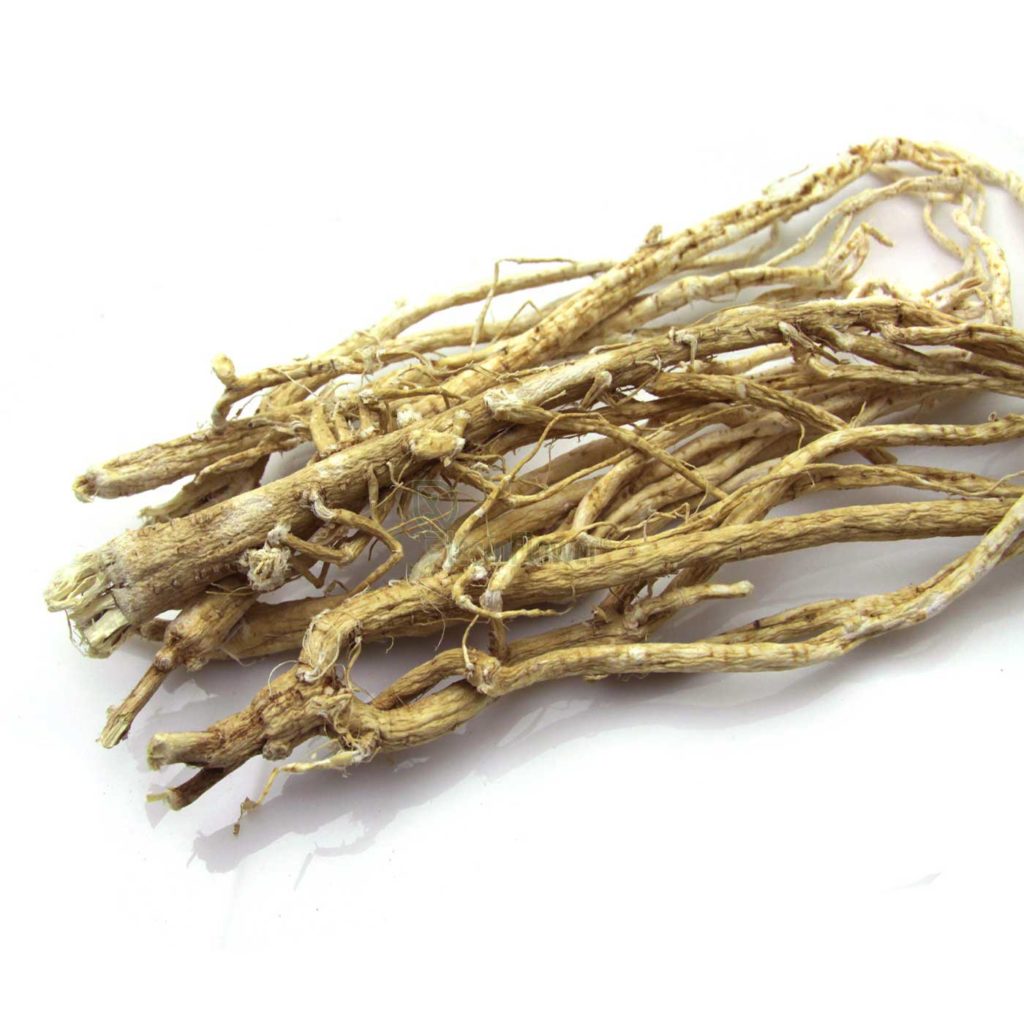
Huang Qi

Huang Qi (Milkvetch, Radix Astragali): 14 Benefits of this TCM Root

What is Huang Qi? Huang Qi (黃芪) comes from the root of a legume in the pea family, commonly found in China, Korea and Mongolia. In Western Culture it’s popularly known as Astragalus Root, which is used to fight respiratory infections and flus. Huang Qi is also known as Milkvetch, Astragalus Membranaceus and Radix Astragali. Although there

Huang Qi (Milkvetch, Radix Astragali): 14 Benefits of this TCM Root Read More »

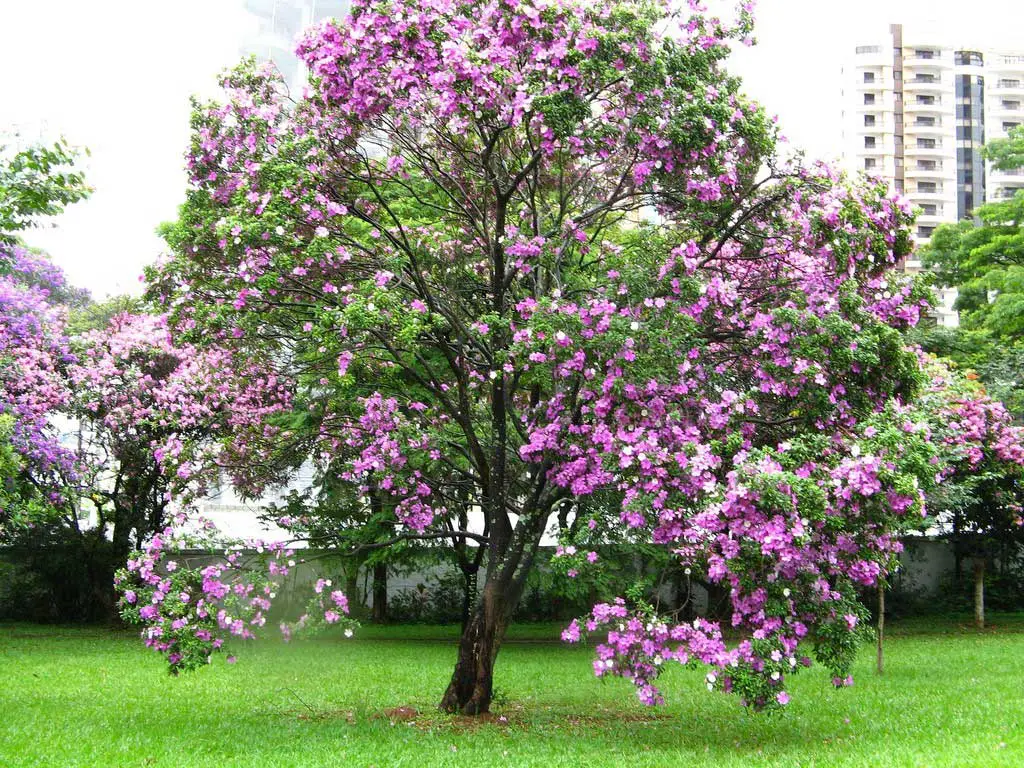
Pata de Vaca

Pata de Vaca (Bauhinia forficata): Benefits & Side Effects of this Tea

­­­What is Pata de Vaca? Pata de Vaca has several names it goes by, including Pezuña de Vaca, the Brazilian Orchid Tree, Cow’s Foot, and its scientific name Bauhinia forficata. This flowering tree is native to several South American countries, including Brazil, Peru, Argentina, and Uruguay. The tree’s branches are densely packed with green leaves,

Pata de Vaca (Bauhinia forficata): Benefits & Side Effects of this Tea Read More »

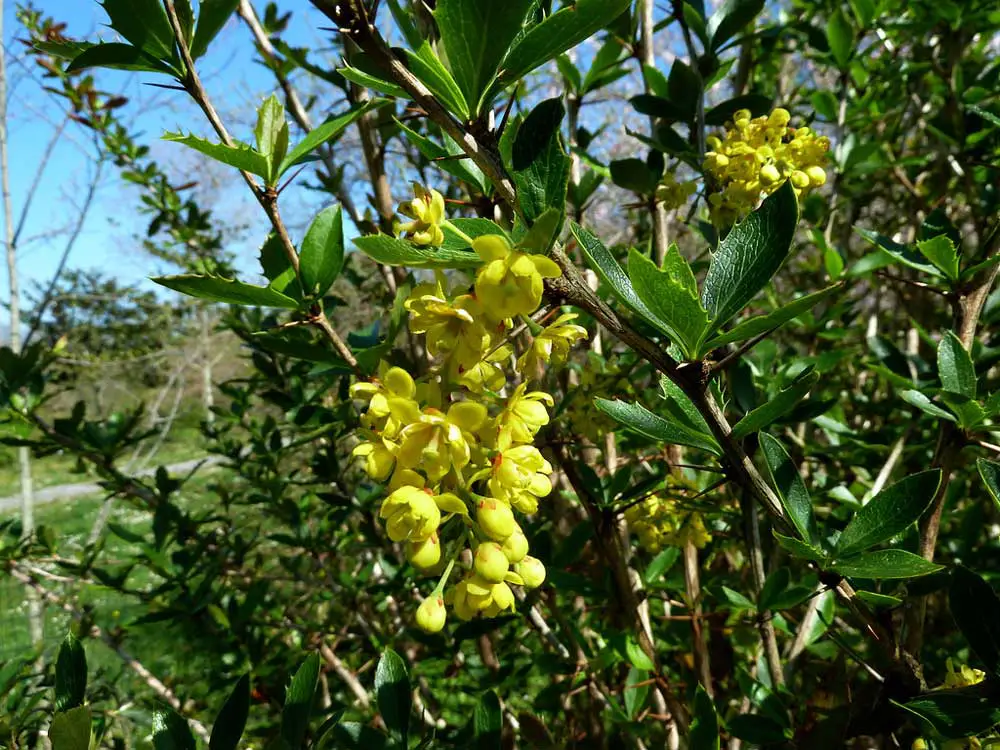
Berberis Aristata

Berberis Aristata (Indian Barberry): 8 Benefits of this Ayurveda Staple

What is Berberis Aristata? Berberis Aristata is an evergreen shrub that is native to Northern Himalayas. It is also known as Indian barberry, tree turmeric, Mara Manjal, Akhray, Chitra, Daruharidra, Dar-hald, Darhaldi, Daruhald, Darukaridra, Gruch, Kashmal Kimor, Nepal Berberis, Rasaut, and Simlu. Berberis Aristata is a member of the Berberidaceae family and Berberis genus. Other

Berberis Aristata (Indian Barberry): 8 Benefits of this Ayurveda Staple Read More »

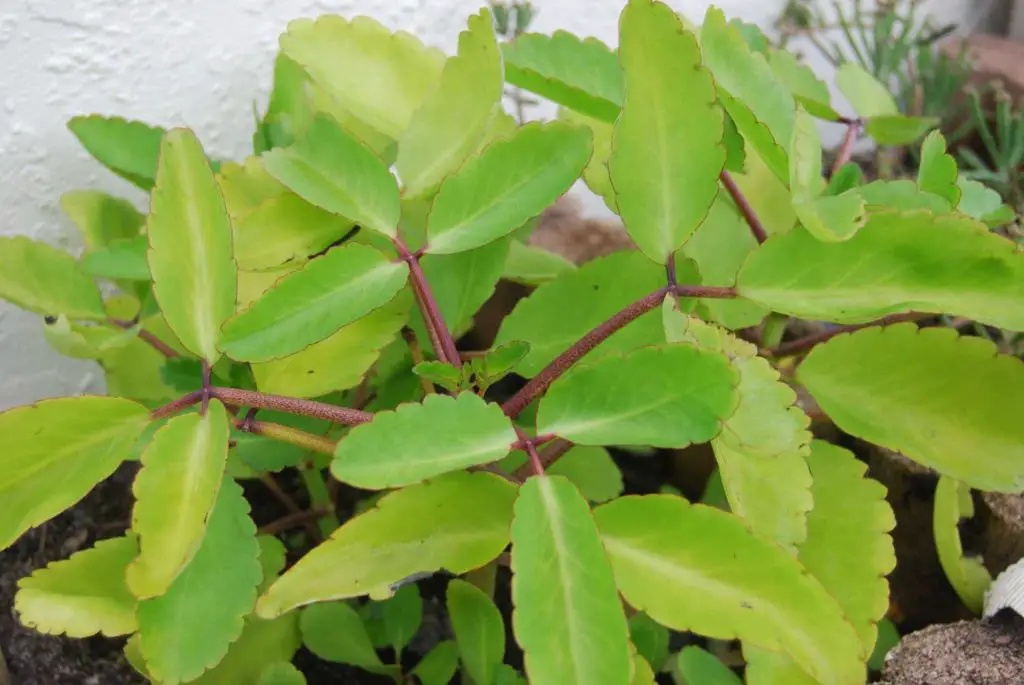
Leaf of Life

Leaf of Life (Bryophyllum pinnatum): 7 Benefits of the Miracle Leaf

If you’ve spent any time in Caribbean or West African herbal medicine circles, you’ve probably heard someone swear by the Leaf of Life for everything from kidney stones to a stubborn cough. The plant — known botanically as Bryophyllum pinnatum, and by a long list of common names including Kalanchoe pinnata, Life Plant, Goethe Plant,

Leaf of Life (Bryophyllum pinnatum): 7 Benefits of the Miracle Leaf Read More »

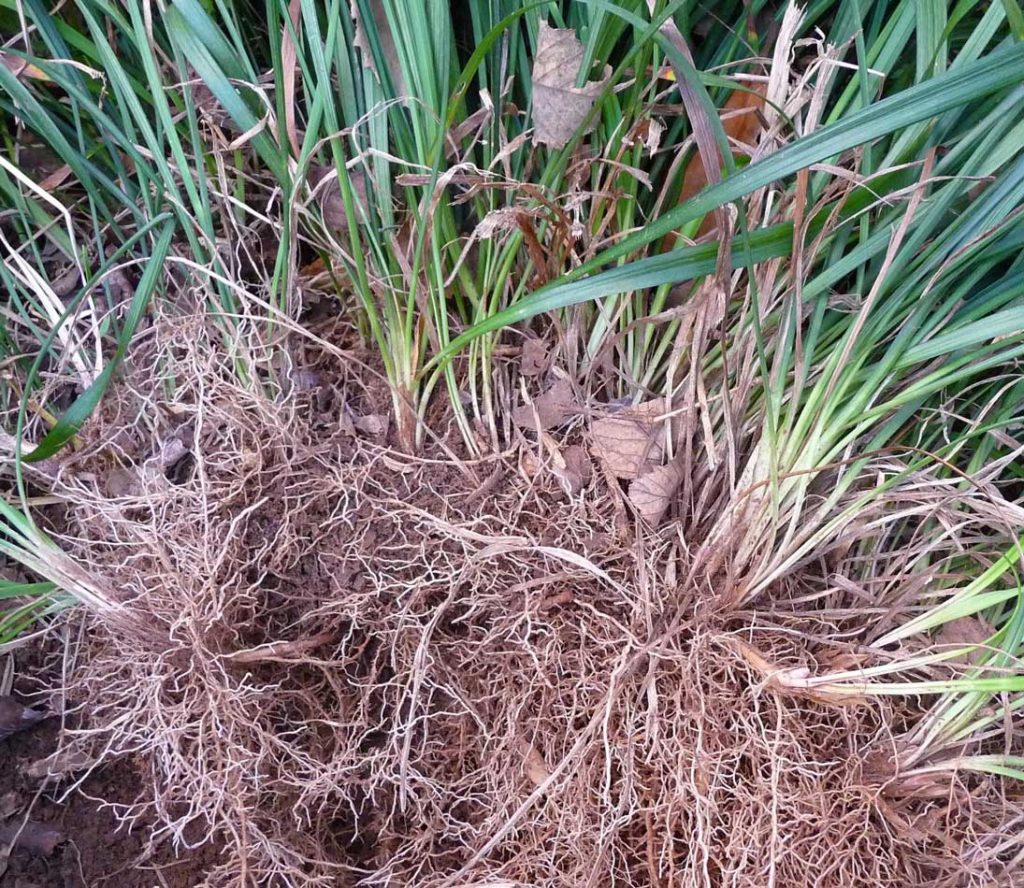
Mai Dong Root

Mai Dong (Mai Men Dong Tang): Benefits & Side Effects of this TCM Drink

What is Mai Dong? Mai dong (Radix Ophiopogonis or Ophiopogonis japonicus) (麦冬) is a herb in the Lilaceae or Asparagaceae family depending on the classification system used. Other plants in the Lilaceae family include the lily, tulip, and fritillary. On the other hand, the Asparagaceae family includes such genuses as Agave, Asparagus, Hosta, and Yucca.

Mai Dong (Mai Men Dong Tang): Benefits & Side Effects of this TCM Drink Read More »

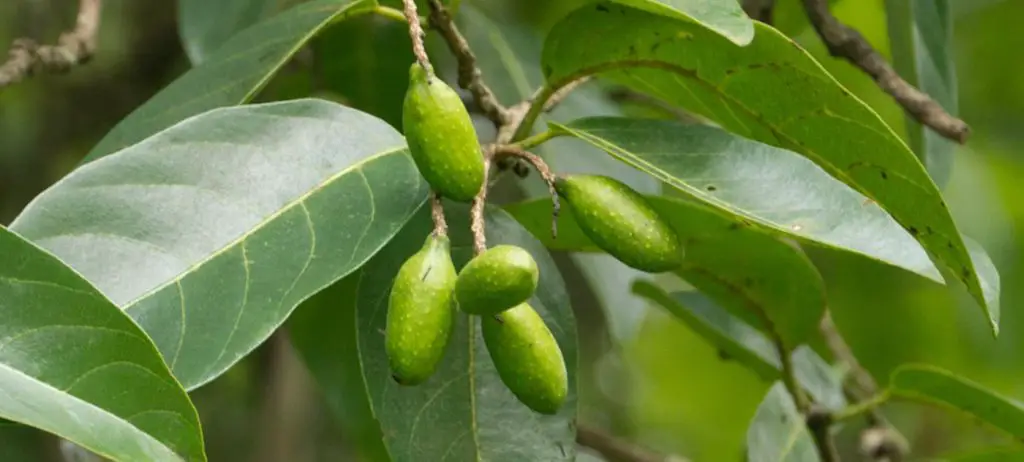
Haritaki

Haritaki (Terminalia chebula): is there More than the Weight Loss Benefits?

What is Haritaki? Haritaki, or Terminalia chebula, refers to a species of flowering deciduous trees native to several countries in South Asia, including India, Nepal, Sri Lanka, Vietnam, and southwest China. These trees are medium-to-large in size, growing to a maximum height of thirty meters and a maximum trunk diameter of one meter. The fruit

Haritaki (Terminalia chebula): is there More than the Weight Loss Benefits? Read More »