Fadogia agrestis benefits are everywhere in men’s health forums and supplement marketing right now, usually stacked with tongkat ali and sold as a natural testosterone booster. The plant has a real history as a folk aphrodisiac in West Africa — but here’s the thing almost nobody mentions: nearly everything we know about what it actually does comes from rat studies, not people. There isn’t a single published human clinical trial on Fadogia agrestis. So what does the actual research show, and is it worth the hype?
Quick Summary
Fadogia agrestis is a West African shrub traditionally used as an aphrodisiac, and animal research consistently shows it raises testosterone and sexual behavior markers in rats — that’s the best-supported finding in the literature. What it doesn’t have is any human clinical evidence, for testosterone, libido, or anything else, despite how confidently it’s marketed. Some of the same rat studies that show benefits at low doses also show liver, kidney, and testicular changes at the higher doses that bodybuilding circles have popularized — which is a real reason for caution, not just fine print. If you’re considering it, talk to a doctor first, stick to traditional low-dose ranges, and don’t expect it to behave like a proven supplement.
What Is Fadogia Agrestis?
Fadogia agrestis (Schweinf. ex Hiern), also called bakin gagai or “black aphrodisiac”, is a small shrub in the Rubiaceae family native to Nigeria, with populations found as far west as Ghana and east into Sudan. Taxonomists have since reclassified it as Vangueria agrestis (Schweinf. ex Hiern) Lantz based on phylogenetic analysis, though “Fadogia agrestis” is still the name you’ll see on nearly every supplement label.
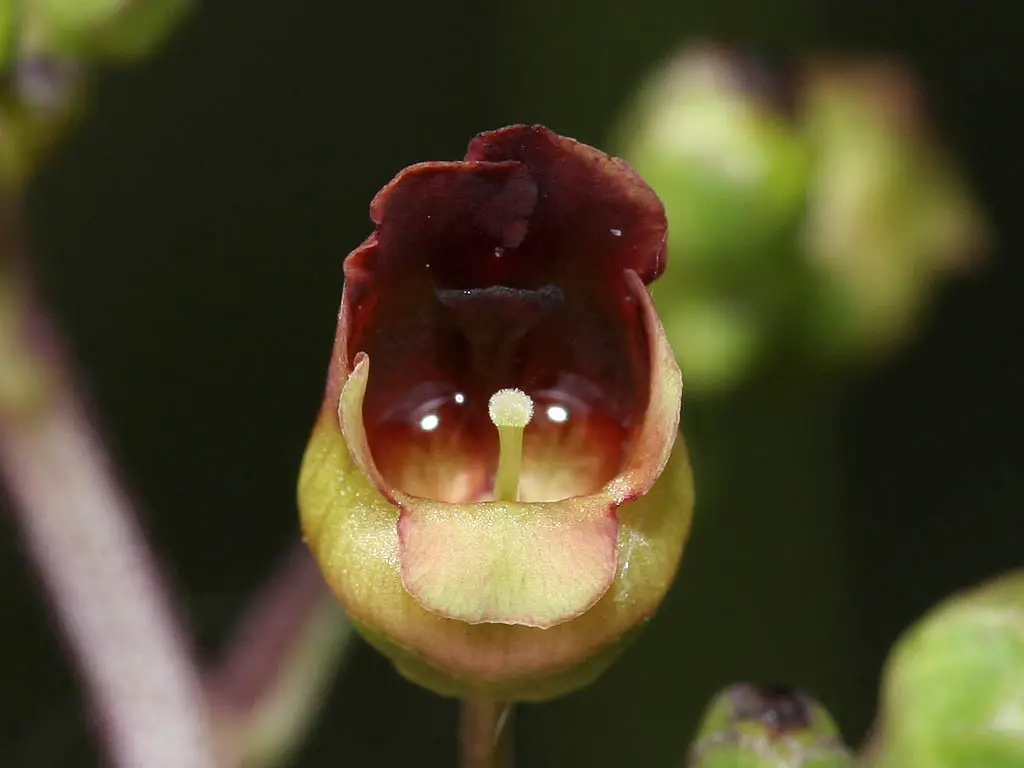
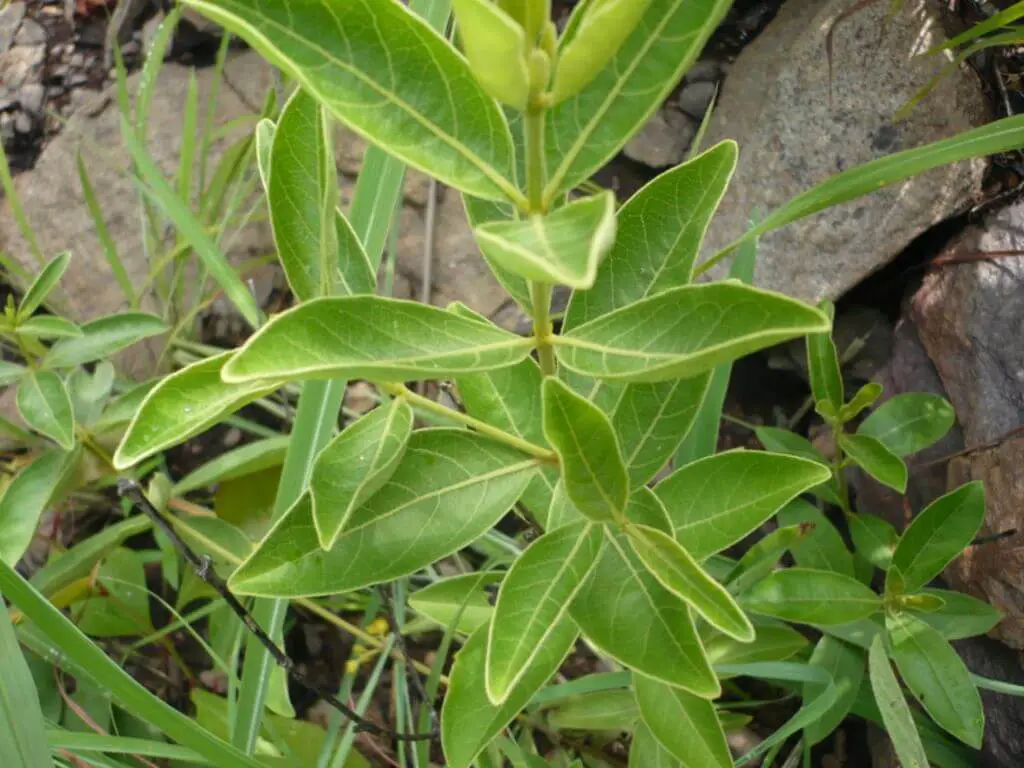
It’s a dwarf plant, topping out around 30 cm tall, with yellowish tomentose stems, paired leaves, and small yellow-green flowers. In traditional African medicine, it wasn’t just an aphrodisiac — it was used as a diuretic and folk remedy for fever, diarrhea, kidney pain, stomach ache, and toothache. Several parts of the plant show up in traditional preparations, but the stem bark carries the highest concentration of the compounds researchers have actually studied, which is why most modern supplements and the clinical research alike focus on stem extract rather than root or leaf.
Fadogia Agrestis Benefits and Uses
May Raise Testosterone Levels in Animal Studies
This is the claim Fadogia agrestis is best known for, and it does have real research behind it — just not in people. In a study on male rats, researchers at the University of Ilorin gave oral doses of aqueous Fadogia agrestis stem extract and measured a significant, dose-dependent rise in serum testosterone concentrations over five days.[1] It’s a genuinely interesting early signal, and it’s part of why the herb has such a strong reputation.
But there’s a piece of this story that most articles leave out: a follow-up study from the same research group found that this same extract caused adverse effects on testicular function in rats at the 50 mg/kg and 100 mg/kg doses over 28 days of use, while the lowest dose tested (18 mg/kg — close to the traditional folk dose) allowed the animals to recover after stopping [2]. In other words, the same lab that found the testosterone effect also found the dose matters a lot, and higher doses aren’t automatically better or safer.
May Support Sexual Behavior in Animal Studies
Fadogia agrestis has been used as a traditional aphrodisiac for generations, and the animal data backs that reputation up more than most traditional remedies. In the same 2005 rat study, extract-treated rats showed increased mount and intromission frequency along with longer ejaculatory latency compared to controls — essentially, more interest and more staying power.[1] That’s a consistent, reproducible effect in the rat model, though it’s worth remembering that rat sexual behavior and human sexual response don’t always translate directly, and no one has run the human version of this study.
Shows Early Animal Evidence for Erectile Function
A 2023 study looked at whether Fadogia agrestis extract could help restore erectile function in male rats with drug-induced erectile dysfunction. The extract improved nitric oxide and cGMP pathway activity in penile and testicular tissue — the same signaling pathway targeted by prescription ED medications like sildenafil — and normalized several other markers tied to erectile function.[3] The researchers themselves were careful to note this needs clinical trials before it means anything for actual ED treatment, which is a good reminder given how often this study gets cited as if the question were already settled.
May Have Analgesic and Anti-Inflammatory Effects
This one gets left out of most Fadogia content, which is a little strange because it’s one of the more solid animal findings out there. Researchers tested the extract in standard pain and inflammation models in rats — tail-flick and writhing tests for pain, paw edema for inflammation — and found dose-dependent effects. At its highest non-sedative tested dose (200 mg/kg), the extract’s analgesic effect was comparable to aspirin at 100 mg/kg.[4] Again: animal study, not a green light for using it as a pain reliever, but a legitimately interesting result that supports part of its traditional use.
Popular in Bodybuilding Culture — But Evidence Is Thin
Here’s where things get a little honest. Fadogia agrestis has become a fixture in bodybuilding and fitness circles as a “natural” alternative to anabolic steroids, and it’s easy to see why — testosterone-boosting rat data plus a folk aphrodisiac history is a compelling marketing story. But the specific claims you’ll see repeated in fitness forums — that it builds muscle faster, prevents fat accumulation, boosts endurance, or improves athletic performance — don’t actually have research behind them. No study has tested Fadogia agrestis for athletic performance in animals or humans. The testosterone-in-rats finding got picked up, amplified across podcasts and supplement marketing, and turned into confident claims the data was never designed to support. That’s a pattern worth watching for with almost any trending “natural testosterone booster.”
Fadogia Agrestis Side Effects
Because there are no human clinical trials, there’s genuinely no reliable data on side effects in people — anything you read, including this, is inference from animal studies and anecdotal reports, not confirmed human safety data.
The animal research gives some reason for caution. The same lab that documented testosterone and libido effects also found that Fadogia agrestis extract disrupted liver and kidney enzyme activity in rats at every dose tested, including the traditional 18 mg/kg dose — though those changes reversed after the extract was stopped.<sup>[5]</sup> At the higher doses tested (50–100 mg/kg), the testicular function changes didn’t fully reverse in the same recovery window.<sup>[2]</sup> None of this means the herb is unsafe for humans at traditional doses — animal toxicology doesn’t map directly onto human physiology — but it’s a real signal, not a footnote.
Commonly reported effects in anecdotal use include stomach pain, nausea, bloating, and diarrhea, likely related to the extract’s saponin content, which can irritate the digestive tract. It’s not recommended for anyone with existing liver or kidney conditions, and it should be avoided during pregnancy and breastfeeding, where there’s essentially zero safety data.
Fadogia Agrestis Dosage
There is no established, human-tested safe dose for Fadogia agrestis — and this is a claim worth taking seriously, not glossing over.
The traditional folk-medicine dose is roughly 18 mg per kg of body weight, which is also the only dose in the available animal research that showed full recovery of the affected liver, kidney, and testicular markers after use stopped. Higher doses — including the 100 mg/kg range sometimes circulated in bodybuilding communities — are the exact doses that, in the source animal studies, caused adverse and less-reversible organ marker changes. That’s not a case for a higher “more effective” dose; it’s the opposite.
If you’re considering Fadogia agrestis, talk to a doctor first, especially if you have any liver, kidney, heart, or thyroid condition, or take other medications. Given the total absence of human trials, cycling on and off rather than daily long-term use is the more cautious approach many herbalists and supplement companies recommend, though even that guidance isn’t backed by clinical research — it’s a precaution, not a proven protocol.
If you’re exploring natural options for libido or testosterone support more broadly, our guide to herbs for low libido covers several traditionally used options with varying levels of research behind them, and it’s worth reading before settling on any single herb.
Subscribe to our newsletter!
Where the “Testosterone Booster” Reputation Actually Comes From
It’s worth being straightforward about this: Fadogia agrestis’s reputation as a potent, near-clinical testosterone and libido supplement is built almost entirely on a handful of rat studies from one Nigerian research lab, published between 2005 and 2023, plus one newer group. Those studies are real and were conducted carefully — but they were never designed to prove anything about human use, dosing, or safety. What happened next is a familiar pattern: supplement brands, podcasts, and bodybuilding forums picked up the rat testosterone data, stripped out the caveats, and repeated it until it sounded like settled science. It isn’t. The traditional aphrodisiac use has centuries of history behind it in West Africa, which is genuinely interesting — but that’s a different claim than “clinically proven testosterone booster,” and the two get blurred constantly in how this herb is marketed.
For a similar case study in how traditional-use herbs get overstated once they hit the supplement market, see our breakdown of combining Fadogia agrestis and tongkat ali, another pairing with more marketing momentum than clinical evidence behind it.
Conclusion
Fadogia agrestis has a genuine traditional history and a consistent, if narrow, body of animal research behind its testosterone and libido reputation — that part isn’t hype. What is hype is the leap from “raised testosterone in rats” to “proven human testosterone booster,” a leap the current research simply doesn’t support. If you’re curious about it, that’s reasonable — just go in knowing the evidence ceiling, talk to a doctor about your specific health situation, and be skeptical of anyone selling it with more confidence than the science actually has.
FAQS on Fadogia Agrestis
In rats, yes — multiple animal studies from the same research group found significant, dose-dependent increases in serum testosterone.[1] Whether this happens in humans hasn’t been tested; there are no published human clinical trials on Fadogia agrestis and testosterone.
There’s no human safety data to answer this directly. Animal research found reversible liver and kidney enzyme changes even at the lowest traditional dose, with less reversible testicular effects at higher doses.[2],[5] Most herbalists recommend cycling rather than continuous daily use, though that guidance isn’t clinically validated either.
No human-tested dose exists. The traditional folk dose (~18 mg/kg body weight) is the one associated with full recovery in animal studies, unlike the higher 50–100 mg/kg doses sometimes recommended in bodybuilding circles, which showed more persistent adverse effects in the same research.[2]
It’s an increasingly common pairing in supplements, but there’s very little research on the combination specifically. Our Fadogia agrestis and tongkat ali guide walks through what’s actually known about stacking the two.
No. Every benefit discussed here — testosterone, libido, erectile function, pain relief — comes from animal studies, primarily rats. As of now, there are no published human clinical trials on Fadogia agrestis for any use.[6]
Ashwagandha is an Indian herb that belongs to the Solanaceae family. This herb has been used in traditional Ayurvedic medicine to improve physical and mental health. It also helps reduce stress, boost libido, and treat erectile dysfunction.
Fadogia Agrestis and Ashwagandha have been found to help with similar health concerns such as sexual dysfunction, stress, and energy levels. However, they work differently in the body and are derived from different plant species.
References
Examine.com. Fadogia agrestis. examine.com/supplements/fadogia-agrestis
Yakubu MT, Akanji MA, Oladiji AT. Aphrodisiac potentials of the aqueous extract of Fadogia agrestis (Schweinf. Ex Hiern) stem in male albino rats. Asian J Androl. 2005;7(4):399-404. PubMed: 16281088
Yakubu MT, Akanji MA, Oladiji AT. Effects of oral administration of aqueous extract of Fadogia agrestis (Schweinf. Ex Hiern) stem on some testicular function indices of male rats. J Ethnopharmacol. 2008;115(2):288-292. PubMed: 18023305
Ogunro OB, Yakubu MT. Fadogia agrestis (Schweinf. Ex Hiern) Stem Extract Restores Selected Biomolecules of Erectile Dysfunction in the Testicular and Penile Tissues of Paroxetine-Treated Wistar Rats. Reprod Sci. 2023;30(2):690-700. PubMed: 35969364
Oyekunle OA, Okojie AK, Udoh US. Analgesic and Anti-Inflammatory Effects of an Extract of Fadogia agrestis in Rats. Neurophysiology. 2010;42:124-129. DOI: 10.1007/s11062-010-9140-x
Yakubu MT, Oladiji AT, Akanji MA. Mode of cellular toxicity of aqueous extract of Fadogia agrestis (Schweinf. Ex Hiern) stem in male rat liver and kidney. Hum Exp Toxicol. 2009;28(8):469-478. PubMed: 19755438